The Full Story
The colours of black, green and gold adorned the Sligo Seventh-day Adventist Church in Takoma Park, Maryland, on Sunday (July 27), as scores of Jamaicans and friends of the island gathered in thanksgiving for Jamaica’s 63rd year of independence.
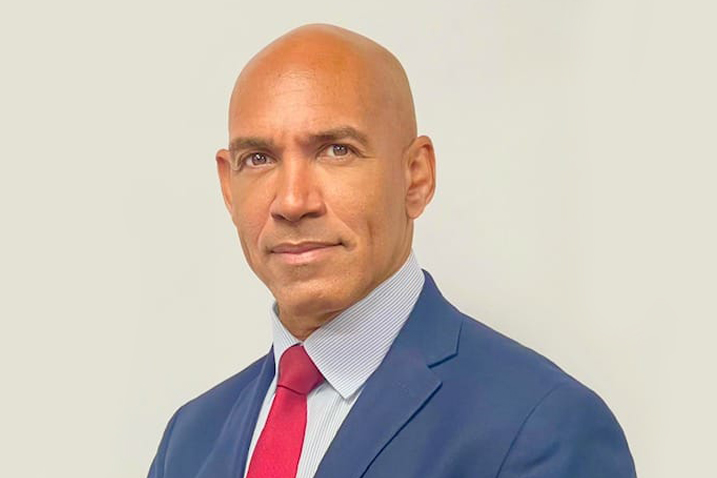
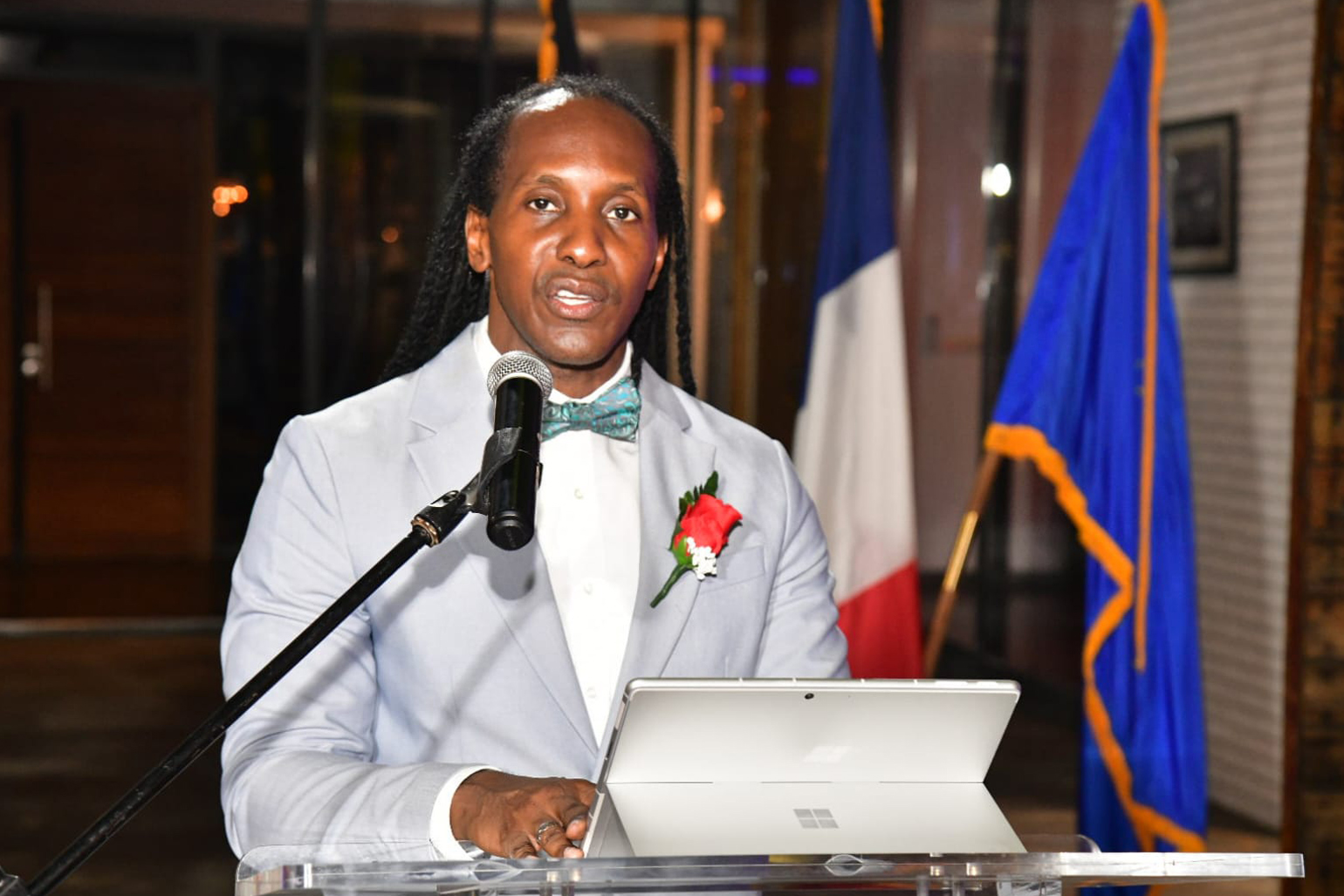
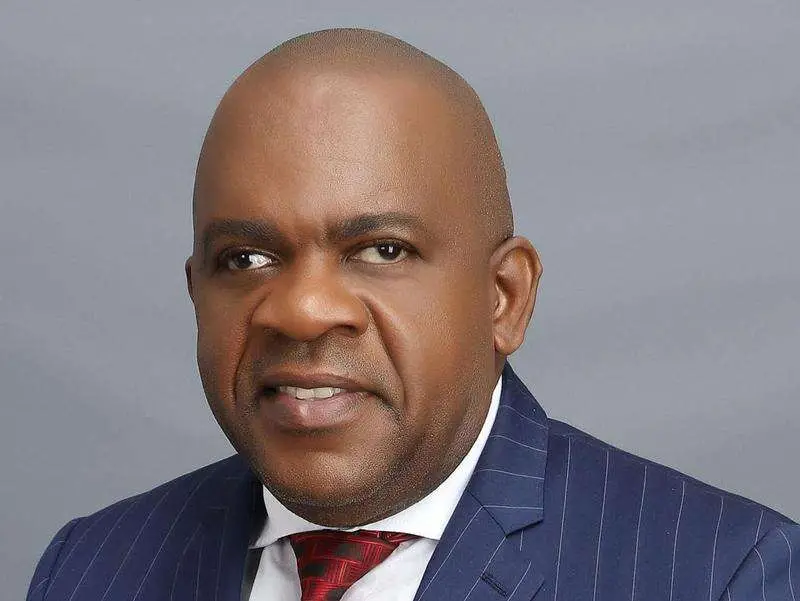
Ambassador to the United States (US), His Excellency Major General (Ret’d) Antony Anderson, headed the list of dignitaries, which included representatives from the diplomatic corps, local, state, and federal government officials along with heads of various diaspora organisations, who joined the more than 400 worshippers in attendance.
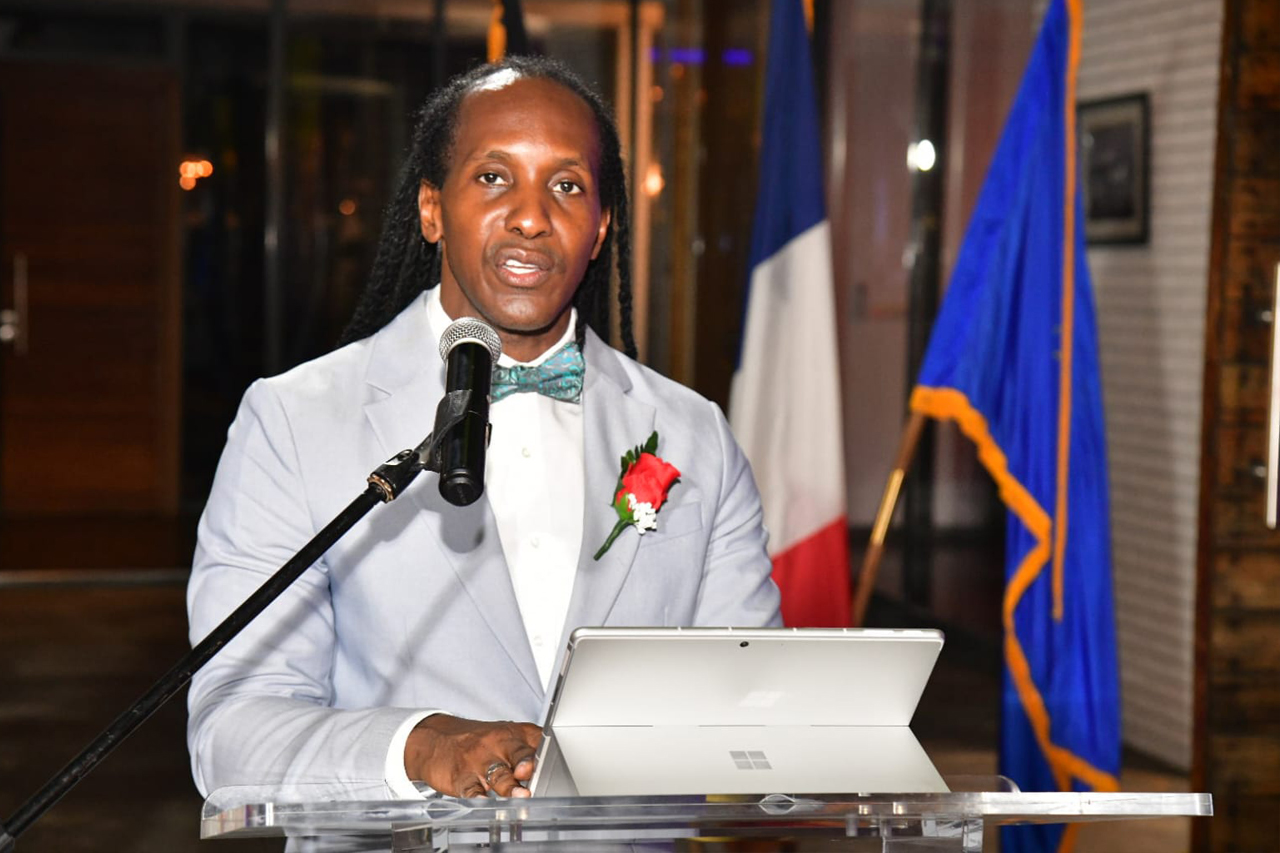
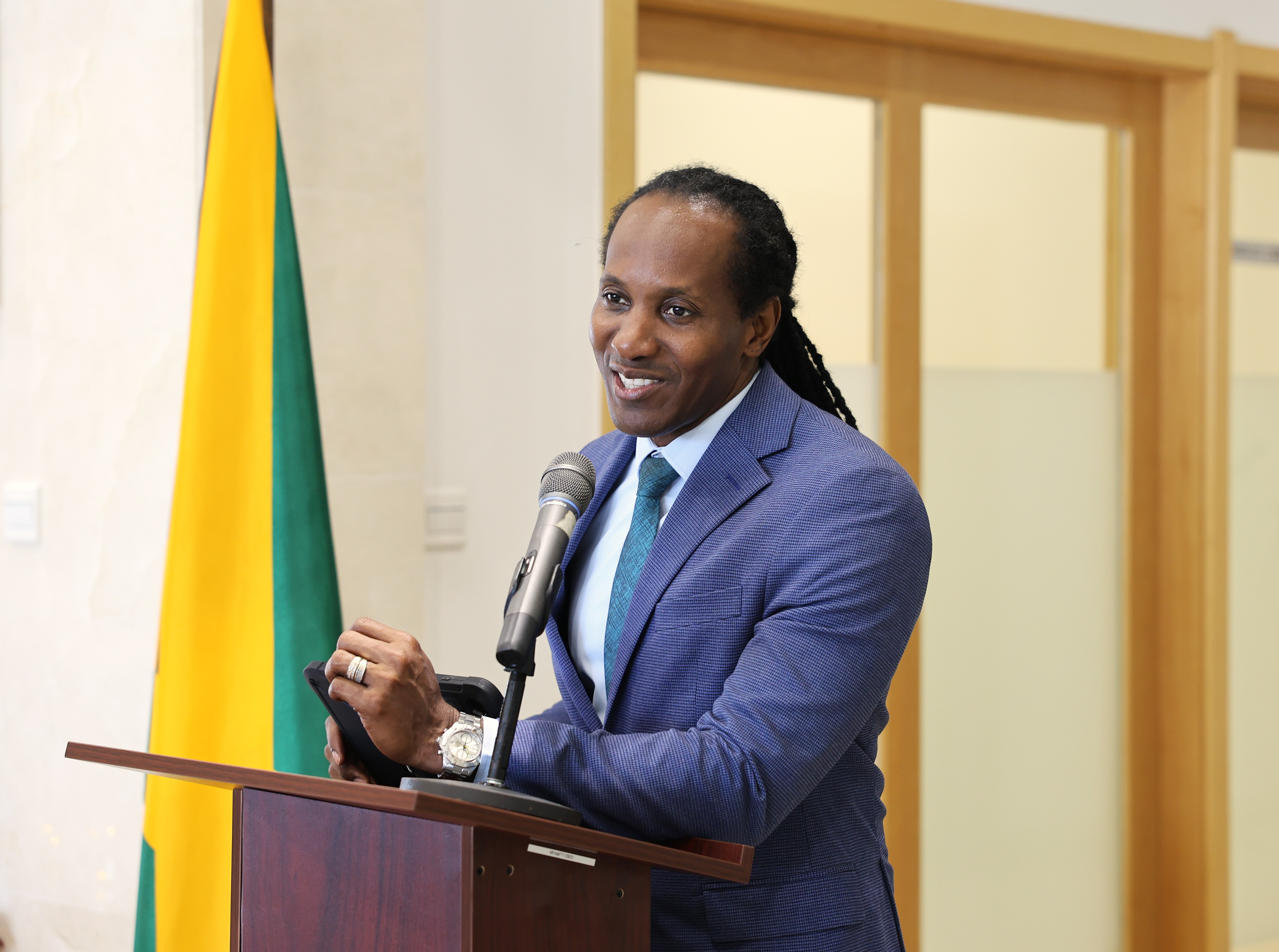
Ambassador Anderson in his address to the attendees, who were donned in the national colours, said that this year’s theme, ‘Be Proud. Be Bold in the Black, Green, and Gold’, represents the deep meaning of Jamaica’s cultural identity and its brand.
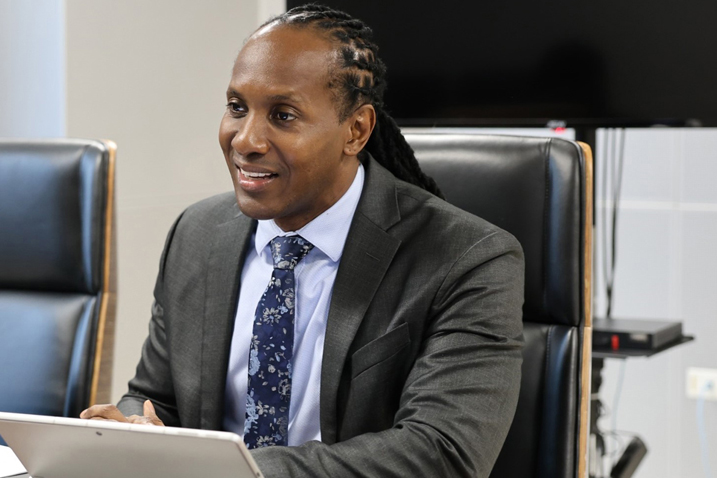
Jamaica’s Ambassador to the United States, His Excellency Major General (Ret’d) Antony Anderson, addresses the service of thanksgiving to mark Jamaica’s 63rd year of Independence, held at the Sligo Seventh-day Adventist Church in Takoma Park, Maryland, on Sunday, July 27
“I feel blessed that I can call myself a Jamaican. The Jamaican brand is a strong brand in the world. It’s strong because of our global diaspora and, significantly, the influence and action of the diaspora in the United States, which helps to define how people see and know brand Jamaica,” he noted.
“We are here to celebrate a significant milestone – 63 years since Jamaica gained its Independence. The black speaks to the strength and creativity that have sustained us through both triumphs and adversity; the green reflects the hope and abundance of our beautiful land; and the gold captures the warmth of our sunshine and the richness of our spirit as a nation,” he pointed out.
“As we gather in this place of worship, whether Jamaican or friend of Jamaica, we are reminded that these colours don’t just fly on Independence Day; they live in us, every day. They show up in our hard work, in our faith, in our laughter, and in the way we support one another, whether in Kingston, Clarendon, or right here in Maryland, DC, and Virginia,” the Ambassador said.
He lauded the diaspora community for continuing to uplift Jamaica’s good name across the globe.
“You serve in classrooms and boardrooms, in hospitals and halls of government. You carry our culture through music, food, fashion, and family values. You give back, whether through remittances, charitable work, or simply by being shining examples of what it means to be Jamaican,” he noted.
The Ambassador reiterated his commitment to building strong ties between the US and Jamaica.
“I had the honour, just this week, of presenting my credentials to the US President, which places me in a position to better serve the interests of Jamaica and the diaspora. In this role I will seek to build stronger bonds with the United States of America,” he pledged.
Jamaica’s Ambassador to the United States, His Excellency Major General (Ret’d) Antony Anderson, engages with 93-year-old Glenda Clanston, who hails from St. Elizabeth, during the service of thanksgiving to mark Jamaica’s 63rd year of Independence, held at the Sligo Seventh-day Adventist Church in Takoma Park, Maryland, on Sunday, July 27
The Ambassador highlighted the country’s buoyant investment climate, pointing to myriad prospects, and urged the diaspora to grasp these opportunities.
“Jamaica is experiencing good things in many sectors. We are in a good position to receive investments and a good place to be a pillar of support to achieve great things together here as Jamaicans in the United States. I am really looking forward to engaging and getting those bonds as strong as possible,” he said.
Ambassador Anderson read the message from Prime Minister, Dr. the Most. Hon. Andrew Holness.
Associate Minister of the Covenant Baptist United Church of Christ, Rev. Sylvia McDonald Kaufman, delivered the sermon, while the service was moderated by Dr Bertram L. Melbourne, a Jamaica-born professor of New Testament studies and a former associate and interim dean of Howard University School of Divinity.
The service was highlighted by the presentation of the DMV Jamaica Diaspora Awards. The recipients are Hopkins University Professor Emeritus Dr Franklyn W. Knight, who received the Lifetime Achievement Award; Esther Sanderson, the Individual Award; Marguerite Chinn/Negril Eatery – Institution/Organisation Award; and Elda Devarie/EMD Sales, the Friend of Jamaica Award.
The offering collected this year will be donated to support the Hanover Infirmary in Jamaica.